


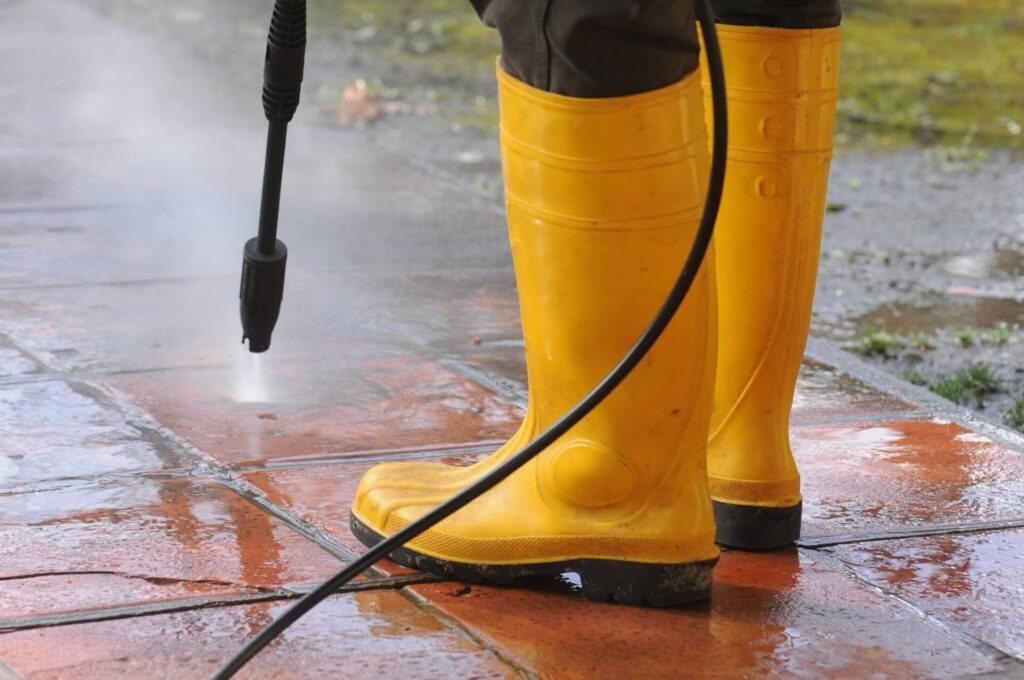
Pavers, brick, and fences add texture and character to a home, but they also collect stains differently than concrete or siding. Pavers can hold algae in joints. Brick can show mineral deposits or runoff marks. Wood fences can gray, collect mildew, or become rough when cleaned with too much pressure.
That is why PureView treats paver cleaning, brick cleaning, and fence cleaning as surface-specific work rather than one generic pressure washing task.
Paver cleaning considerations
Pavers often need careful pressure control because joints, edges, and sand can be disturbed. Organic growth may collect in shaded joints and around patio furniture. If the pavers will be sealed later, cleaning and drying must be planned correctly so the surface is ready.
Uneven pavers, loose joints, and older installations should be approached carefully. The purpose is to clean the surface without creating instability or washing away more joint material than necessary.
Brick cleaning considerations
Brick is durable, but mortar can be vulnerable, especially on older surfaces. Stains may come from algae, soil splash, irrigation minerals, rust, or efflorescence. Each one behaves differently. A brick wall with mineral bloom should not be treated exactly like a mossy patio edge.
Controlled cleaning protects the masonry while improving appearance. If sprinkler overspray is causing repeat stains, prevention may require irrigation adjustment after cleaning.
Fence cleaning considerations
Fences vary widely. Wood, vinyl, painted, stained, and older weathered fences all require different care. Too much pressure on wood can raise fibers and leave permanent wand marks. Vinyl may clean well with lower pressure and the right solution. Painted fences should be checked for peeling or failing coatings before washing.
When these surfaces should be cleaned
- Before sealing pavers or refreshing an outdoor living space.
- When algae makes walkways, patios, or pool areas slippery.
- Before listing a home or hosting outdoor gatherings.
- When brick shows irrigation stains, soil splash, or organic growth.
- When fences look gray, green, or uneven from weather exposure.
Bundling with whole-home maintenance
Pavers, brick, and fences often look best when cleaned with surrounding areas. A patio may need paver cleaning plus siding cleaning nearby. A front approach may include brick, driveway cleaning, and window cleaning. For a complete method comparison, see soft washing vs pressure washing.
FAQs
Can pressure washing damage pavers?
Yes, if pressure is too high or joints are unstable. Pavers need controlled cleaning, especially before sealing.
Can brick be cleaned without damaging mortar?
Often, yes. The method should account for mortar age, stain type, and surface condition.
Will fence cleaning make old wood look new?
Cleaning can improve appearance, but weathering, age, and prior damage may still show. Some fences need staining or sealing after cleaning.
If you want a clear recommendation for your home, request an online quote or contact PureView for help choosing the right surface-safe exterior cleaning estimate.
Why specialty surfaces need realistic expectations
Pavers, brick, and fences can improve dramatically after cleaning, but they are not blank slates. Old sealer, failing stain, deep rust, irrigation minerals, damaged mortar, and weathered wood may still show after cleaning. A good result depends on matching the process to the surface and explaining what cleaning can and cannot change.
For example, green algae on pavers is different from efflorescence on brick. Gray weathering on a wood fence is different from mildew on vinyl. Those differences should guide the method.
Planning around sealing, staining, or repairs
If pavers will be sealed, cleaning should happen before sealing and the surface should be allowed to dry properly. If a fence will be stained, cleaning may be one part of the prep but not the whole project. If brick has loose mortar or failing joints, repairs may need to happen before aggressive cleaning.
Scheduling these steps in the right order prevents wasted effort. Cleaning after sealing, staining, or repair work can undo or damage the work that was just completed.
How these surfaces affect outdoor living spaces
- Clean pavers make patios, paths, and pool areas feel more inviting.
- Clean brick improves the appearance of entryways and garden walls.
- Clean fences make yards feel brighter and better maintained.
- Removing algae can improve traction on shaded hardscape.
- Addressing irrigation stains helps prevent recurring discoloration.
For many homes, these surfaces are the difference between basic maintenance and a truly finished outdoor space.
Local conditions to factor into the plan
For PureView customers, paver, brick, and fence cleaning should be planned around the home’s real exposure. Katy, Richmond, Fulshear, Cinco Ranch, and West Houston homes deal with irrigation minerals, algae in joints, shaded patios, weathered wood, and soil splash. These conditions affect paver patios, brick walls, walkways, wood fences, vinyl fences, and masonry borders differently from one property to the next.
A shaded side yard, a sprinkler head pointed at the house, or a tree canopy over the roof can change the cleaning schedule more than the age of the home. That is why a useful recommendation should look at the surface, the stain, the access, and the homeowner’s goal instead of giving the same answer to every property.
Scope and pricing factors homeowners should understand
Exterior cleaning prices can vary because the work is based on surface area, access, condition, and detail level. A clear estimate should explain what is included and what would require specialty treatment.
- Surface type and condition
- Mortar, joint sand, or wood age
- Need for sealing or staining afterward
- Stain type
- Access around landscaping and furniture
This prevents surprises on service day. It also helps the homeowner decide whether to solve one immediate issue or bundle related services while the crew is already on site.
What a good result should feel like
A good result should look clean without creating new damage, streaking, stripped surfaces, or messy runoff. It should also make the surrounding area feel more finished. Clean windows should not be surrounded by dirty siding, and a bright driveway should not lead to a stained front entry.
The best maintenance plan is practical: clean the right surface with the right method at the right time. That approach helps PureView customers protect curb appeal while avoiding unnecessary work.